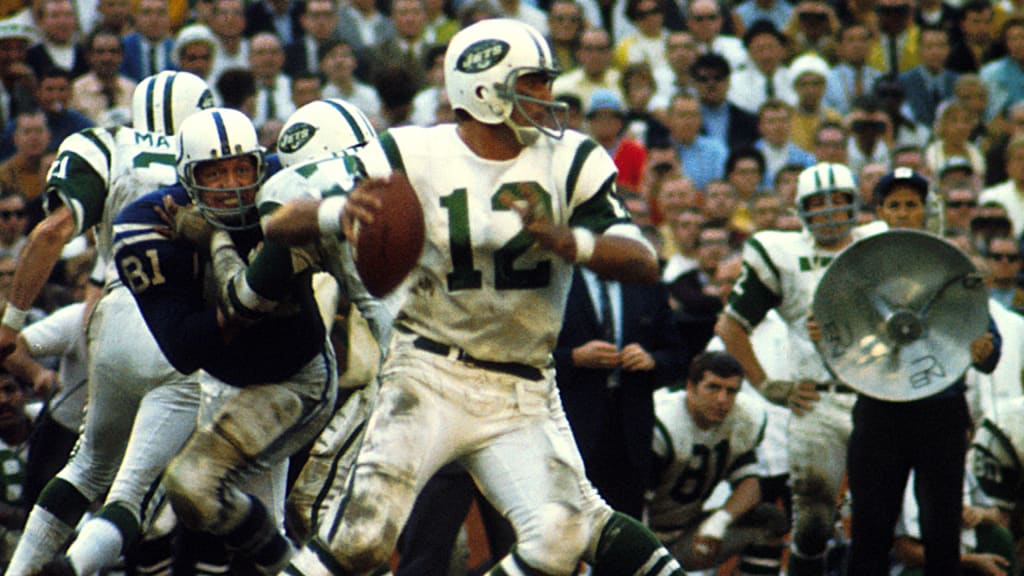
On this date in 1973, the American League voted to adopt the designated hitter rule, forever changing baseball and extending the careers of nine future Hall of Famers who might have retired years earlier without it.
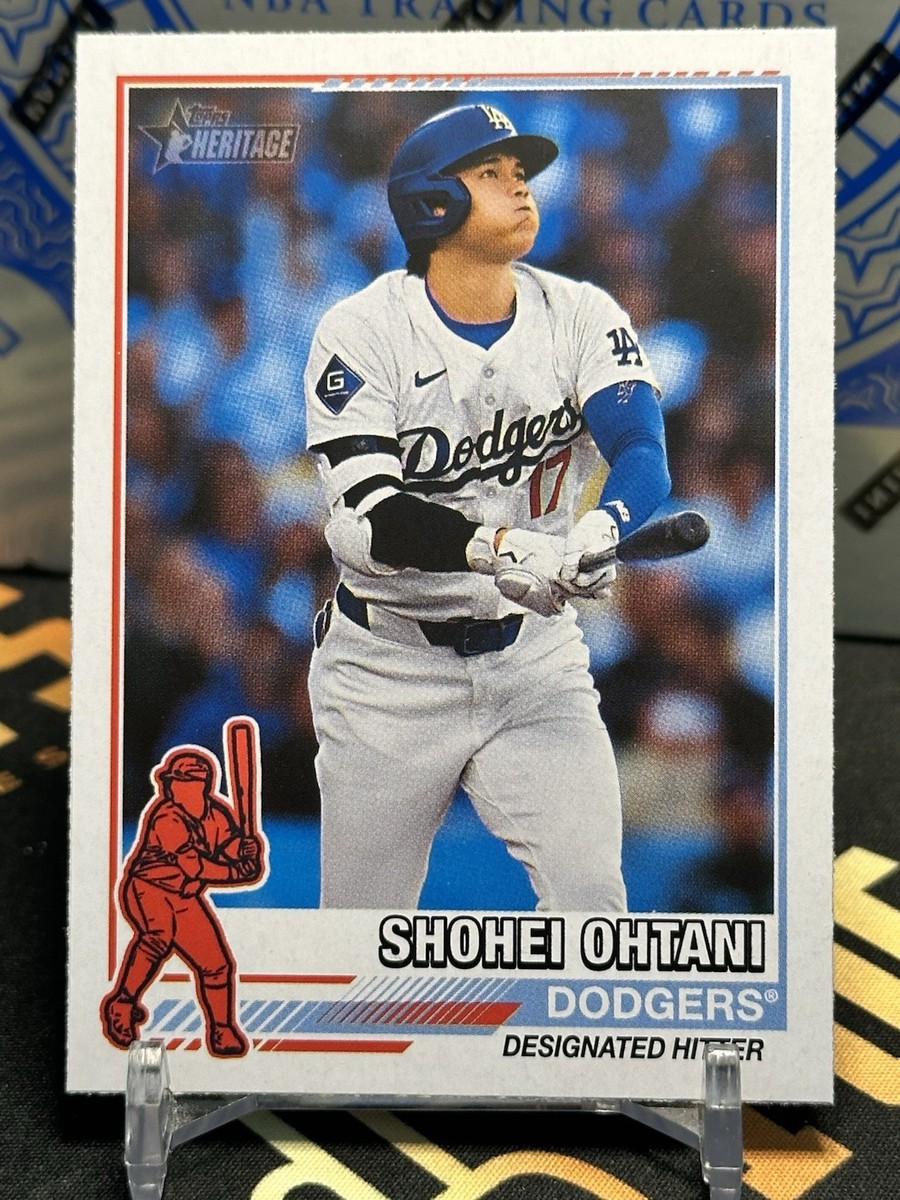
On January 11, 1973, the American League voted by an 8-4 margin to formally adopt the designated hitter rule for a three-year trial period. What Hall of Famer Bud Selig, then in his fourth year as owner of the Milwaukee Brewers, called "the biggest rule change in the history of baseball to that point" would become a permanent fixture in the AL and eventually be adopted by the National League in 2022. The rule allowed a designated hitter to bat in place of the pitcher, fundamentally altering baseball strategy and extending careers that might have ended much sooner.
Source: Baseball Hall of Fame
Just months after the vote, baseball history changed forever on April 6, 1973, when the Yankees' Ron Blomberg stepped to the plate against Red Sox right-hander Luis Tiant at Fenway Park. In this landmark moment, Blomberg became the first official designated hitter in MLB history, drawing a walk in the season's opening game. That season, the American League's composite batting average jumped 20 points and runs per game increased by almost a full run.
Source: MLB.com
The push for a designated hitter came primarily from Charles O. Finley, the visionary owner of the Oakland Athletics, who was convinced baseball needed to be enlivened amid shrinking offense. By 1972, the National League had outscored American League teams by 824 runs. In 1968, the two leagues had produced only six .300 hitters, and composite runs per game hovered around 3.4. Bob Gibson's historic 1.12 ERA that year highlighted the dominance pitchers held over hitters. As future Hall of Famer Lee MacPhail said at the time, "Clearly, something had to be done. And personally I never got a thrill out of watching a pitcher hit."
Source: Baseball Hall of Fame
The DH rule had a profound impact on the Hall of Fame, extending the careers of nine inductees who might have retired years earlier. Paul Molitor collected 1,449 hits after becoming a regular DH in 1991, reaching the 3,000-hit milestone in 1996. Frank Thomas slugged 145 home runs over his final six seasons as a DH, joining the 500 home run club in 2007. Jim Thome was reinvigorated as Chicago's DH in 2006 after elbow surgery, eventually becoming the eighth player to reach 600 homers.
Source: MLB.com
Edgar Martinez became the poster child for the DH position, playing 68.3% of his career games as a designated hitter, the highest among Hall of Famers. The award for the league's top designated hitter has been named after him since 2004. After injuries relegated Martinez to permanent DH duties in 1995, he blossomed dramatically, hitting .356/.479/.628 with 29 homers and 113 RBIs that season. He would record an OPS of .966 or higher in seven straight seasons from 1995-2001.
Source: MLB.com
Eddie Murray returned to the AL in 1994 at age 38, sitting 180 hits shy of 3,000 and 59 homers away from 500. Appearing as a DH in 371 of his 428 games from 1994-97, Murray became the third player in history to record both 3,000 hits and 500 home runs. Dave Winfield remained productive through age 43 thanks to the DH spot, winning his only World Series title with the Blue Jays in 1992 and reaching the 3,000-hit plateau the next season. David Ortiz made history in 2022 by becoming the first Cooperstown inductee to have spent at least 70% of his career at DH.
Source: MLB.com
The rule has remained controversial, particularly regarding interleague and postseason play. In 1977, the National League came close to adopting the DH but fell short by just two votes. Phillies executive Bill Giles was instructed to vote in favor because the team had Greg Luzinski, who would have been perfect for the role. However, unable to reach owner Ruly Carpenter, who was on a fishing trip without cell phone access, Giles abstained. The Pirates' representative also abstained, resulting in six teams in favor, four against, and two abstentions—just short of the seven votes needed for approval.
Source: Baseball Hall of Fame
January 11, 1973, marked one of baseball's most significant rule changes since Jackie Robinson broke the color barrier in 1947. What began as a three-year experiment became a permanent fixture that shaped Hall of Fame careers, altered baseball strategy, and continues to spark debate more than five decades later. As Giles noted, "The debate over the DH is healthy for the game," and it certainly has helped keep popular players in uniform far longer than would have been possible otherwise.
.png)
.jpeg)