On January 6, 1994, figure skater Nancy Kerrigan was struck in the knee with a metal baton after practice at the US Figure Skating Championships in Detroit, setting off one of the most shocking scandals in sports history.
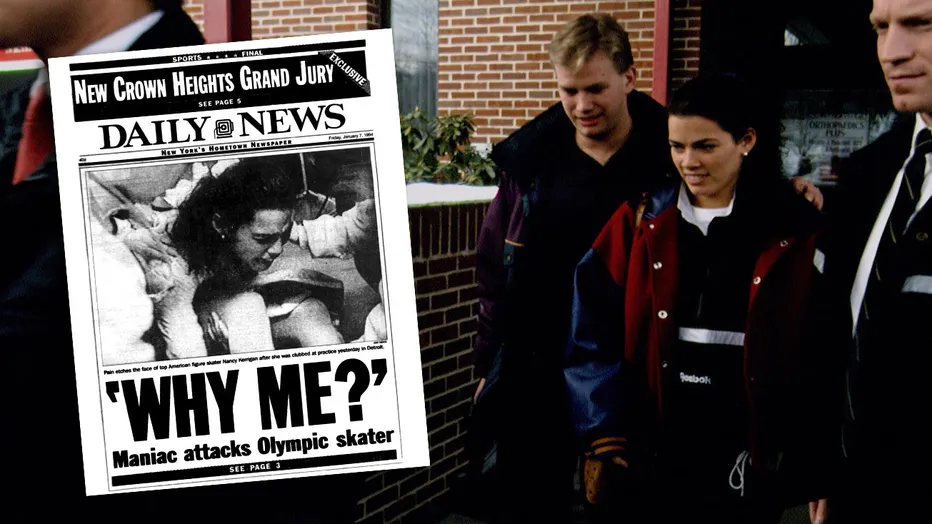
On January 6, 1994, figure skater Nancy Kerrigan was struck in the knee with a metal baton after practice at the US Figure Skating Championships in Detroit, setting off one of the most shocking scandals in sports history.
On January 6, 1994, at the Cobo Arena in Detroit, Michigan, Nancy Kerrigan was walking through a corridor immediately after finishing a practice session at the US Figure Skating Championships when an assailant approached from behind and struck her right leg with a collapsible police baton. The attack left Kerrigan on the ground, clutching her knee and crying out in anguish. Television cameras captured the immediate aftermath, broadcasting footage of Kerrigan screaming "Why, why, why?" as attendants rushed to help her and her father carried her away from the scene.
The assault was later revealed to be orchestrated by associates of Kerrigan's chief rival, Tonya Harding. The attacker was Shane Stant, who had been paid $6,500 to carry out the attack by Jeff Gillooly, Harding's ex-husband, along with Harding's bodyguard Shawn Eckardt and getaway driver Derrick Smith.
Source: ESPN
At the time of the assault, both Kerrigan and Harding were among America's top figure skaters. Harding had defeated Kerrigan at the 1991 US Figure Skating Championships and became the first American woman to successfully land a triple axel in competition that year. However, Kerrigan had risen to prominence by the 1994 season and was considered the favorite heading into the national championships in Detroit.
The attack was designed to prevent Kerrigan from competing in both the 1994 US Championships and the upcoming Winter Olympics in Lillehammer, Norway, thereby improving Harding's chances of making the Olympic team and winning medals at both competitions.
Source: Biography.com
The investigation moved quickly after the attack. On January 8, just two days later, Harding won the US Championships with Kerrigan unable to compete due to her injury. However, her victory was overshadowed by mounting suspicion.
By January 12, Shawn Eckardt confessed to FBI agents about his involvement and implicated Gillooly, Harding, and the other conspirators. Derrick Smith quickly surrendered to law enforcement, followed by Shane Stant on January 14. Jeff Gillooly was charged with conspiracy to assault Kerrigan on January 19 and soon agreed to a deal in which he implicated Harding.
Scott Lewis, an investigative reporter for FOX 2 Detroit, broke the news that the FBI was investigating a connection between Harding and the attack. He later recalled receiving a tip from a reliable source about the bureau's focus on Harding and her associates, which led to one of the biggest sports stories of the decade.
Source: LiveNOW from FOX
The legal fallout was swift and severe for those involved. Shane Stant, Derrick Smith, and Shawn Eckardt were each sentenced to 18 months in prison. Jeff Gillooly received a two-year prison sentence and was ordered to pay $100,000 in fines.
Tonya Harding maintained her innocence throughout the initial investigation, but on March 16, 1994, just one day before she was scheduled to compete at the World Figure Skating Championships, Harding pleaded guilty to conspiracy to hinder prosecution. This meant she admitted to knowing about the attack after it occurred but failing to report it to authorities. She was sentenced to three years of probation, 500 hours of community service, and a $160,000 fine. In June 1994, she was banned for life from the US Figure Skating Association.
Years later, in a 2018 interview, Harding acknowledged that she "knew something was up" before the attack, contradicting her earlier claims of complete ignorance.
Despite the attack, Nancy Kerrigan made a remarkable recovery. Her fellow skaters rallied behind her and offered her a spot on the Olympic team even though she had missed the national championships. Seven weeks after the assault, Kerrigan competed at the 1994 Winter Olympics in Lillehammer, delivering what she considered one of her best performances and winning the silver medal in a controversial decision that saw Ukraine's Oksana Baiul claim gold.
Harding also competed at the Olympics, but her performance was marred by drama. During the free skate portion, she noticed a problem with her skate lace and, sobbing, appealed to the judges for a restart. They granted her request, but Harding finished eighth in the competition.
The attack and its aftermath dominated American media coverage throughout 1994. The story became known as "the whack heard around the world" and generated unprecedented interest in figure skating. The scandal spawned countless television segments, magazine covers, and late-night comedy sketches.
The incident's cultural impact persisted for decades. ESPN produced a 30 for 30 documentary titled "The Price of Gold" in 2014, examining the attack twenty years later. In 2017, the film "I, Tonya" starring Margot Robbie as Harding brought renewed attention to the scandal, offering Harding's perspective on her life and career. The film earned multiple Academy Award nominations, with Allison Janney winning Best Supporting Actress for her portrayal of Harding's mother.
Source: FOX 13 News
January 6, 1994, remains one of the most infamous dates in sports history. What should have been a routine practice session at a national championship became an international scandal that exposed the darker side of athletic competition. The attack on Nancy Kerrigan transformed figure skating from an elegant sport into tabloid fodder, captivated a nation, and left a permanent mark on both women's lives and legacies.
.png)

.jpeg)
