On January 2, 1946, about 20 Japanese soldiers hiding on Corregidor Island surrendered after finding a newspaper confirming that World War II had ended, illustrating ongoing confusion among isolated troops.
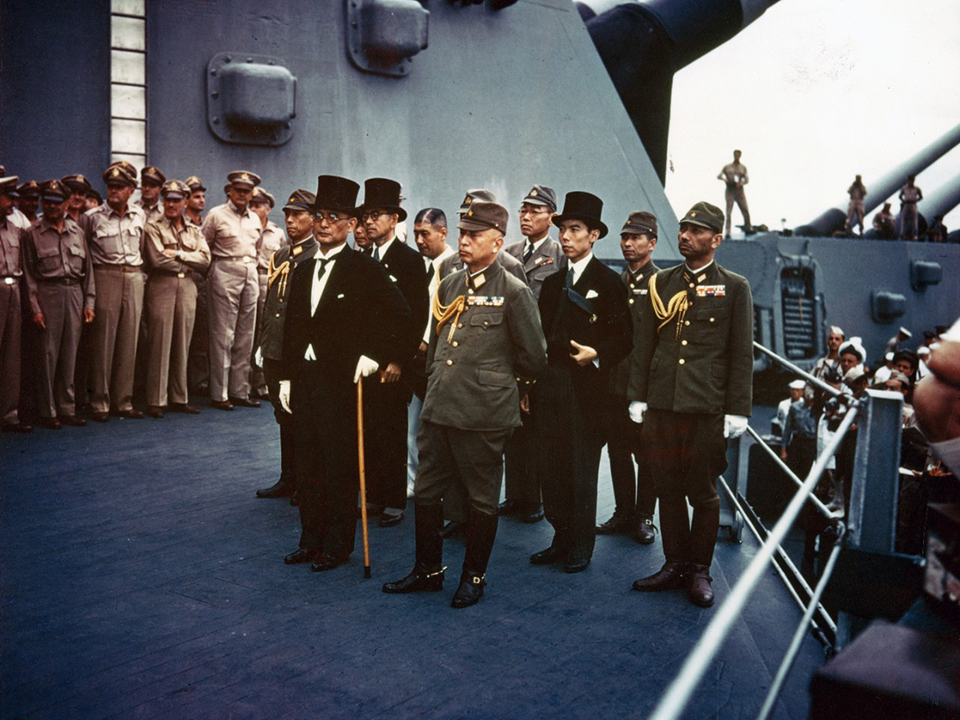
On January 2, 1946, about 20 Japanese soldiers emerged from hiding and surrendered on Corregidor Island in the Philippines after discovering a newspaper that confirmed World War II had already ended. The surrender occurred months after Japan’s official capitulation, highlighting the confusion and disbelief that lingered among isolated troops across the Pacific.
Despite Japan’s surrender in August 1945, some Japanese soldiers continued to hide in tunnels, caves, and jungle encampments, convinced the war was still ongoing. The soldiers on Corregidor had been living underground with little access to reliable information. When shown a recent newspaper by an American serviceman confirming Japan’s defeat, they finally accepted the reality of the war’s end and surrendered peacefully.
The Corregidor surrender was not an isolated incident. Other Japanese holdouts remained in hiding for years after World War II, most famously Hiroo Onoda, who did not surrender until 1974 after receiving direct orders from his former commanding officer. These stories reflect the powerful influence of wartime conditioning, propaganda, and loyalty, as well as the challenges of communication in remote regions.
.png)